Art of Facilitation
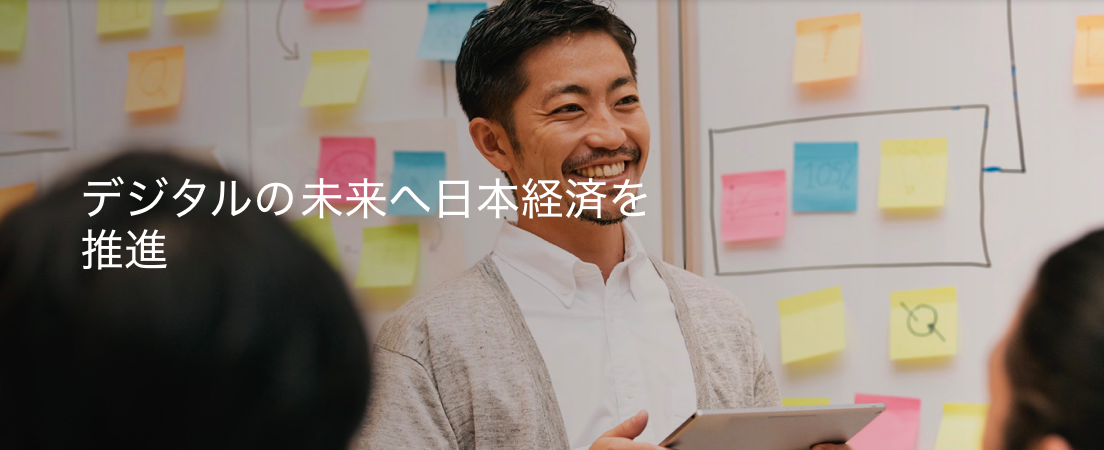
Get ahead with custom support.
With decades of experience helping teams of researchers, business leaders, and executives
from Honda, EY, and other global leaders,
we can offer the right approach. Here are some examples:
- Get constructive feedback on your work, or meet your deadlines with writing support.
- Accelerate progress with private coaching plans that raise test scores or develop specific abilities.
- Unify teams with custom workshops: leadership and facilitation techniques, business writing with storytelling structures (communicate your value with easy-to-use structures), and other options are available.
- Facilitate established programs from your own resources, or use curricula from elite institutions like Google, MIT, and other global leaders. Facilitate learning experiences that make a difference.
THE PROCESS IS SIMPLE
Many things are possible.

Meet in-person (or possibly online) and talk about
your needs.
See examples from elite institutions or discuss your goals.
Choose flexible plans that respect your needs.
Feel secure and get results.
Reach out for a free demo.
THIS WEEK: SUBJECTIVE NARRATION
"Distance" by Grace Paley
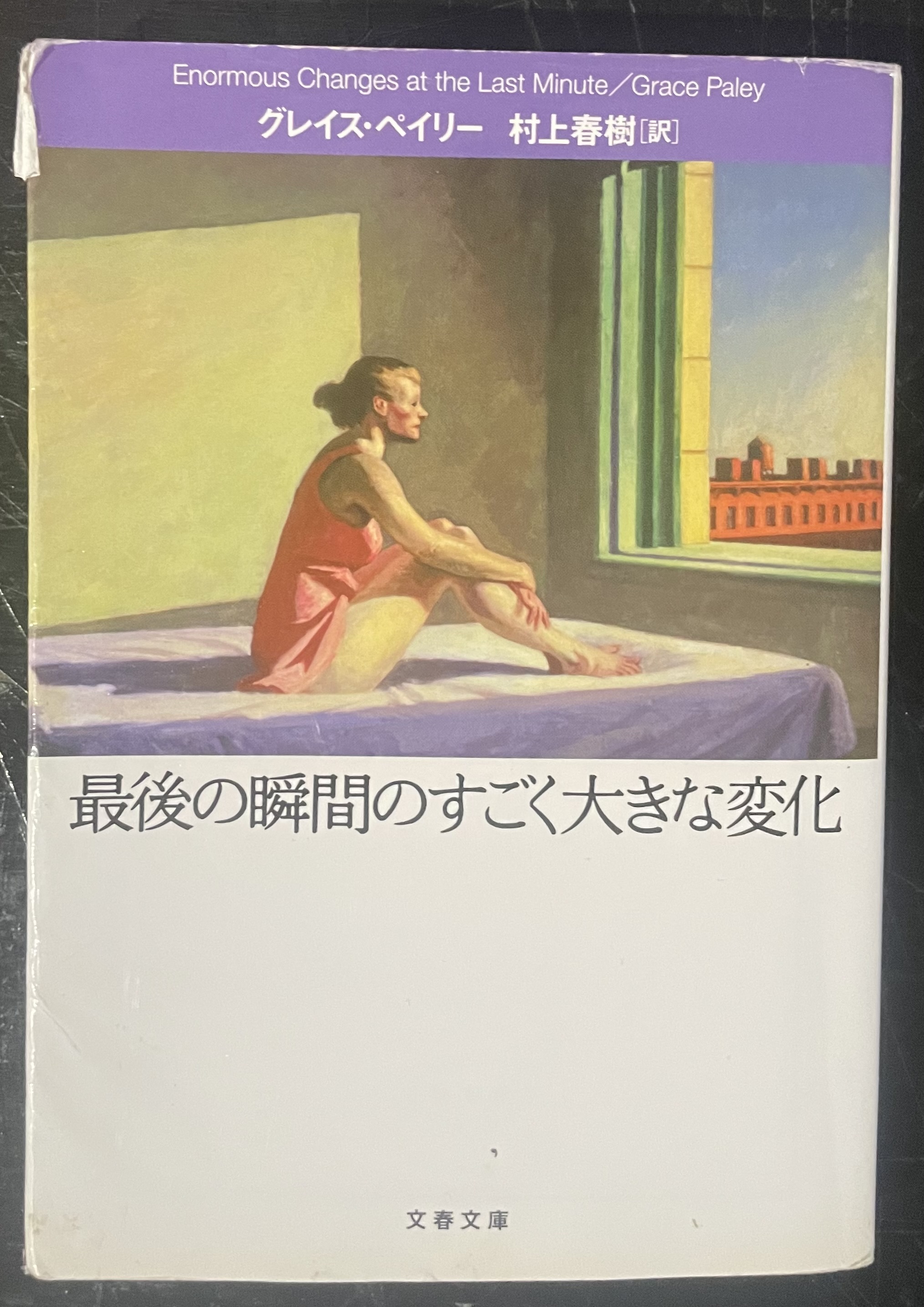
The image comes from my desk. It is Murakami’s translation of short stories by Grace Paley, which includes “Distance,” or 道のり.
I find this a heart-warming example of subjective narration.
Subjective narration usually features a character who recounts the past to a general audience.
The narrator is limited by their awareness, which may be reliable or unreliable, and exposes people in time periods,
class, education, prejudices, abilities, and shortcomings.
Subjective narratives also expose limitations on knowledge and raise questions about what lurks in the shadows.
Understanding the limits of subjective narration challenges the boundaries of “objective” narration. When are editorial choices subjective vs. objective?
Every storyteller is fallible. Personal choices exist, and narratives often serve identity, corporate donors, or interested parties.
When people claim to be objective, their narrative is often called into doubt. Consider how few people trust government PR representatives or
corporate journalism -- trust levels are below 30%, as few think they are being given objective reality.
Unlike the pretense of objective narration, subjective narrators, like Paley’s, build trust through authentic feelings, admitting weakness,
sharing vulnerabilities,
and invoking empathy through shared experience. As you read this piece, consider what you trust or don’t trust about the narrator.
How does this influence your understanding of distance? Do you feel invited to share her thoughts with cynicism or an open embrace?
WEEKLY WORKSHOP
IN YOUR POV: Discuss short stories and film with a focus on narrative techniques.

Content: Discuss narrative techniques that include interior monologue, dramatic monologue, letter narration, diary narration, subjective narration, detached autobiography, memoir, anonymous narration, dual character point of view, multiple character point of view, no character point of view, and more.
Time: Tuesdays 9-10:30 pm (Japan time); or, various other times may be available.
Platform: Signal and other platforms, or in-person.
Contact: Contact today for more information.
Flow: Enjoy expressing your understanding of the text. Try and facilitate conversations with engaging questions and friendly feedback.